Tinnitus information
What tinnitus means and whether it needs an assessment
A ringing or buzzing in the ears can feel alarming, especially when it starts without warning. Tinnitus often links to hearing loss or years of noise exposure, and a proper assessment is the first step toward managing it.
What tinnitus actually is
Tinnitus is the perception of sound when no external noise is present. People describe it as ringing, buzzing, humming, hissing or clicking. It can affect one ear or both, and the volume may change throughout the day.
For some, it is a faint background noise that only appears in quiet rooms. For others, it is loud enough to interfere with sleep, concentration or conversation. The experience varies widely from person to person, so comparing your symptoms with someone else's rarely helps.
Tinnitus is a symptom rather than a condition on its own. Something in the auditory system has changed, and the brain is generating a sound signal to compensate. Finding out what changed requires a hearing assessment by an audiologist registered with the Health and Care Professions Council.
Common causes of tinnitus
The most frequent cause is damage to the tiny hair cells inside the inner ear. These cells convert sound waves into electrical signals for the brain. When they bend or break, they can send random signals that the brain interprets as noise.
Age-related hearing loss often brings tinnitus. As hearing fades gradually over years, the brain receives less input and sometimes fills the silence with a phantom sound. Exposure to loud noise does something similar but faster. Years of working in noisy environments or attending loud concerts can damage those hair cells permanently.
Other causes include earwax build-up pressing against the eardrum, middle ear infections, head injuries and certain medications. Stress and fatigue do not cause tinnitus directly, but they frequently make existing symptoms more noticeable. Because the range of possible causes is broad, guessing at the reason rarely works. An audiologist uses specific tests to narrow down what is happening.
How tinnitus links to hearing loss
Tinnitus and hearing loss share many of the same causes, so they frequently appear together. Someone who has worked around heavy machinery for decades might notice their hearing dropping off while a high-pitched whine develops in the background.
But you do not need to be aware of hearing loss to have tinnitus. Damage can occur at frequencies beyond normal speech, so everyday conversations still sound clear while the auditory system struggles. A standard hearing test checks these higher frequencies too, revealing patterns that explain why the ringing started.
When hearing loss is confirmed, fitting a hearing aid often reduces tinnitus. Amplifying external sounds gives the brain real input to process again, which can push the phantom noise further into the background. Specialist firms handle hearing aid fitting and follow-up adjustment across Blackpool and the Fylde Coast for exactly this reason.
Why noise exposure matters
Noise-induced damage is cumulative. A single very loud event, like an explosion or a concert standing next to a speaker stack, can trigger immediate tinnitus. But gradual damage from daily exposure is just as common and harder to spot until symptoms appear.
People who worked in construction, manufacturing, aviation or music often develop tinnitus years after the loudest period of their career. The hair cells damaged early on do not regenerate, so the effects surface slowly. Even regular use of power tools at home without ear protection adds up over time.
If your work history includes prolonged noise exposure, mentioning it during an assessment helps the audiologist interpret the results. They will look for a specific pattern in the hearing test that points toward noise damage rather than age-related decline. Understanding the origin shapes what management options make sense going forward.
What happens during a tinnitus assessment
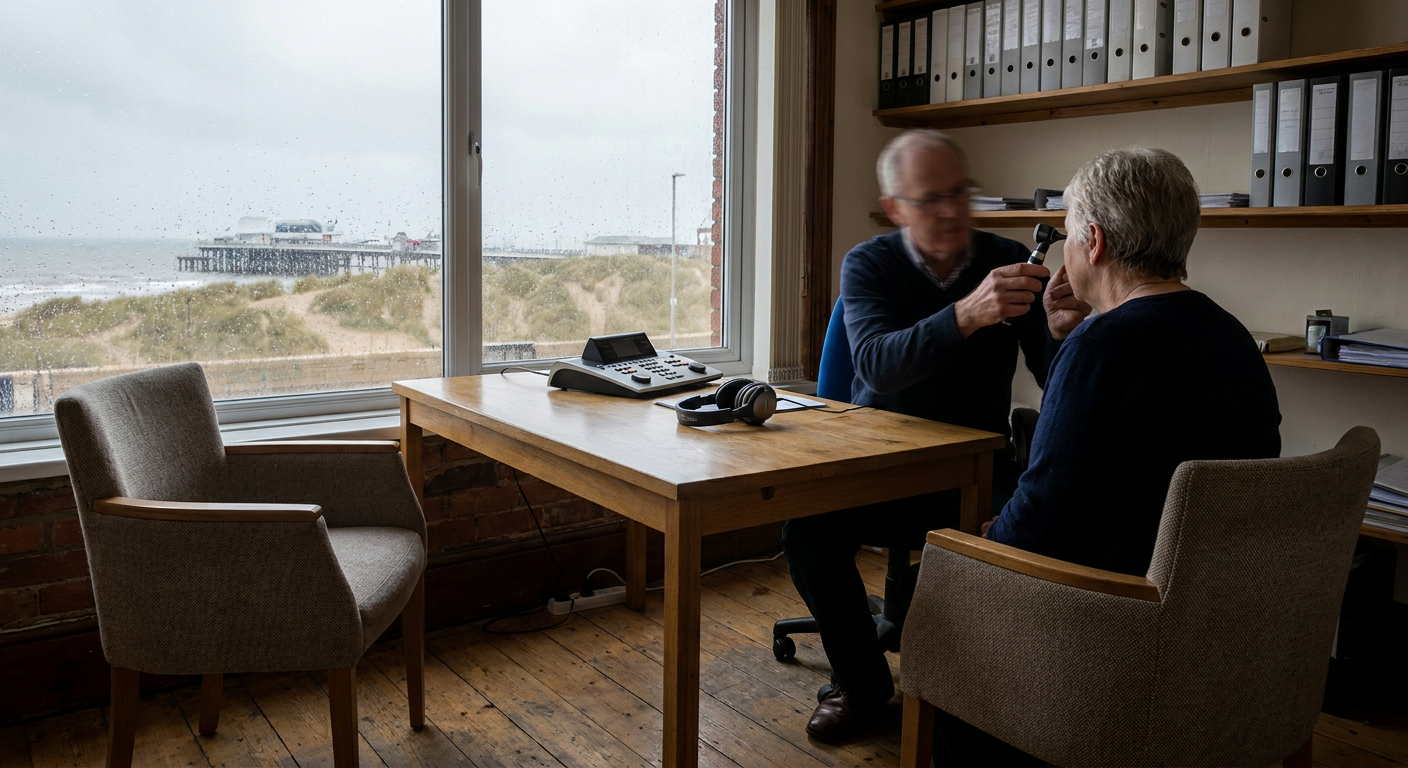
A tinnitus assessment goes further than a standard hearing test. The audiologist will ask detailed questions about when the sound started, what it resembles, whether it pulses with your heartbeat and what makes it better or worse.
Pitch matching and loudness discomfort testing help quantify the tinnitus. These measurements tell the audiologist how intrusive the sound is relative to your hearing thresholds. They also check for signs that point toward medical referral rather than audiological management, such as tinnitus affecting only one ear alongside sudden hearing loss.
Specialist audiologists carry out these assessments in clinics across Blackpool, Lytham St Annes, Thornton-Cleveleys, Fleetwood and surrounding areas. Home visit hearing assessments are available if travelling to a clinic is difficult. After testing, the audiologist discusses management options, which might include sound therapy, counselling techniques or hearing aids programmed to mask the tinnitus frequency.
Recognising your situation and how soon to act
Figuring out what is causing the noise in your ears requires a proper assessment. How quickly you arrange one depends on how the symptoms behave. Sudden changes or tinnitus paired with other symptoms need prompt attention, while a long-standing mild hum can wait a little longer.
-
Tinnitus appeared suddenly in one ear with noticeable hearing lossToday
Sudden sensorineural hearing loss with tinnitus needs urgent medical evaluation to preserve remaining hearing function.
What to do Arrange a tinnitus assessment immediately or contact your GP today.
-
A pulsing sound in one ear that matches my heartbeatToday
Pulsatile tinnitus can indicate vascular changes near the ear that require imaging and specialist review.
What to do Ask for a tinnitus assessment and mention the pulsing specifically.
-
Ringing in both ears after years of loud work or musicSoon
Chronic noise exposure commonly causes bilateral tinnitus alongside gradual high-frequency hearing loss.
What to do Book a tinnitus assessment to measure the extent of any damage.
-
A faint buzz I only hear in quiet rooms or at nightWorth watching
Mild tinnitus heard only in silence is common and often linked to minor age-related hearing changes.
What to do Mention it at your next routine hearing test unless it worsens.
-
Tinnitus that gets much louder when I am stressed or tiredSoon
Stress amplifies the brain's focus on tinnitus, suggesting the underlying cause would benefit from professional evaluation.
What to do Schedule a tinnitus assessment to explore management strategies.
This is general information, not a diagnosis. If your tinnitus started suddenly, affects one ear only, or is getting louder fast, ask about it now.
Questions people ask about tinnitus
Will tinnitus go away on its own?
Sometimes. Tinnitus caused by a temporary issue like earwax blockage or a short cold often resolves once the underlying problem clears. Tinnitus linked to permanent hair cell damage from noise or ageing usually persists, though management techniques and hearing aids can reduce how much it bothers you.
Can a hearing aid stop the ringing?
A hearing aid does not cure tinnitus, but it frequently makes it less noticeable. By amplifying external sounds, the device gives the brain real signals to process instead of focusing on the phantom noise. Some hearing aids also include built-in sound generators designed specifically to mask tinnitus frequencies.
Is tinnitus a sign of something serious?
Most tinnitus is linked to benign causes like age-related hearing changes or past noise exposure. But certain patterns matter. Tinnitus in only one ear, pulsing sounds that match your heartbeat, or ringing accompanied by sudden hearing loss or dizziness all warrant prompt assessment to rule out conditions needing medical treatment.
Do I need a referral from my GP?
You can book a tinnitus assessment directly through specialist audiology firms operating across Blackpool and the Fylde Coast without a GP referral. However, if your symptoms suggest a medical cause rather than an audiological one, the audiologist will recommend you see your doctor for further investigation.
What if I cannot get to a clinic easily?
Specialist audiologists offer home visit hearing assessments for people who find travel difficult. The equipment used is portable, so pitch matching, hearing thresholds and tinnitus evaluations can all take place in your home. Ask about availability when you enquire.
Find out what the noise in your ears means
Send your details and a specialist audiology firm will contact you to arrange a tinnitus assessment. Enquiring does not commit you to any treatment or purchase. It simply starts a conversation about what you are hearing and what might help.
- No obligation to proceed
- Local audiology specialists
- Clinic or home visits