Hearing aids
What to expect when you are fitted with hearing aids
Find out how an audiologist uses your hearing test results to programme aids, why the shape of your ear matters for comfort, and what happens during follow-up appointments. You decide whether to go ahead after speaking with the specialist.

Hearing care on the Fylde Coast
Each step involves a separate specialist firm working across Blackpool and the surrounding towns. They handle everything from the first test to long-term maintenance of your aids.
-
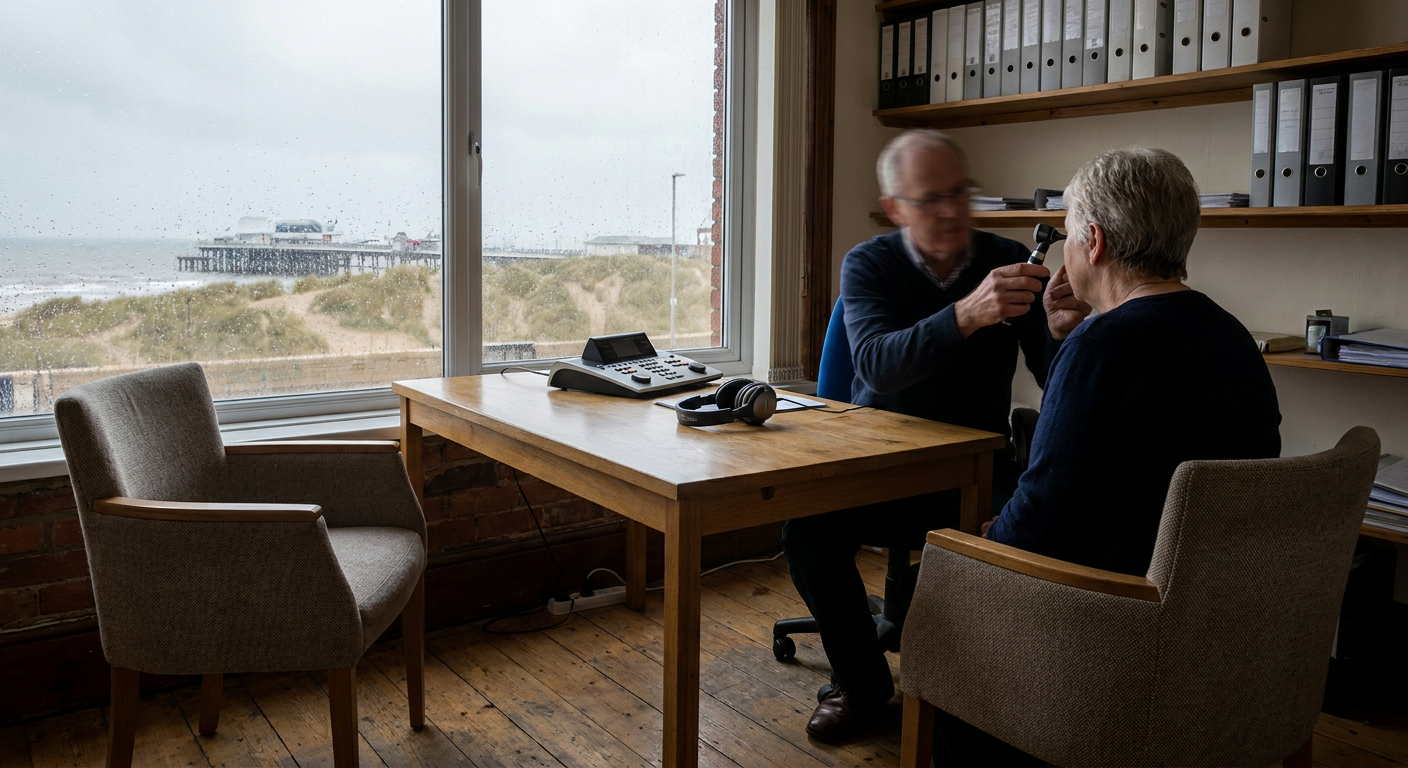
Hearing Tests
The audiologist measures how well you hear different pitches and volumes in a sound-treated booth, producing a chart that shows exactly where your hearing has changed.
-
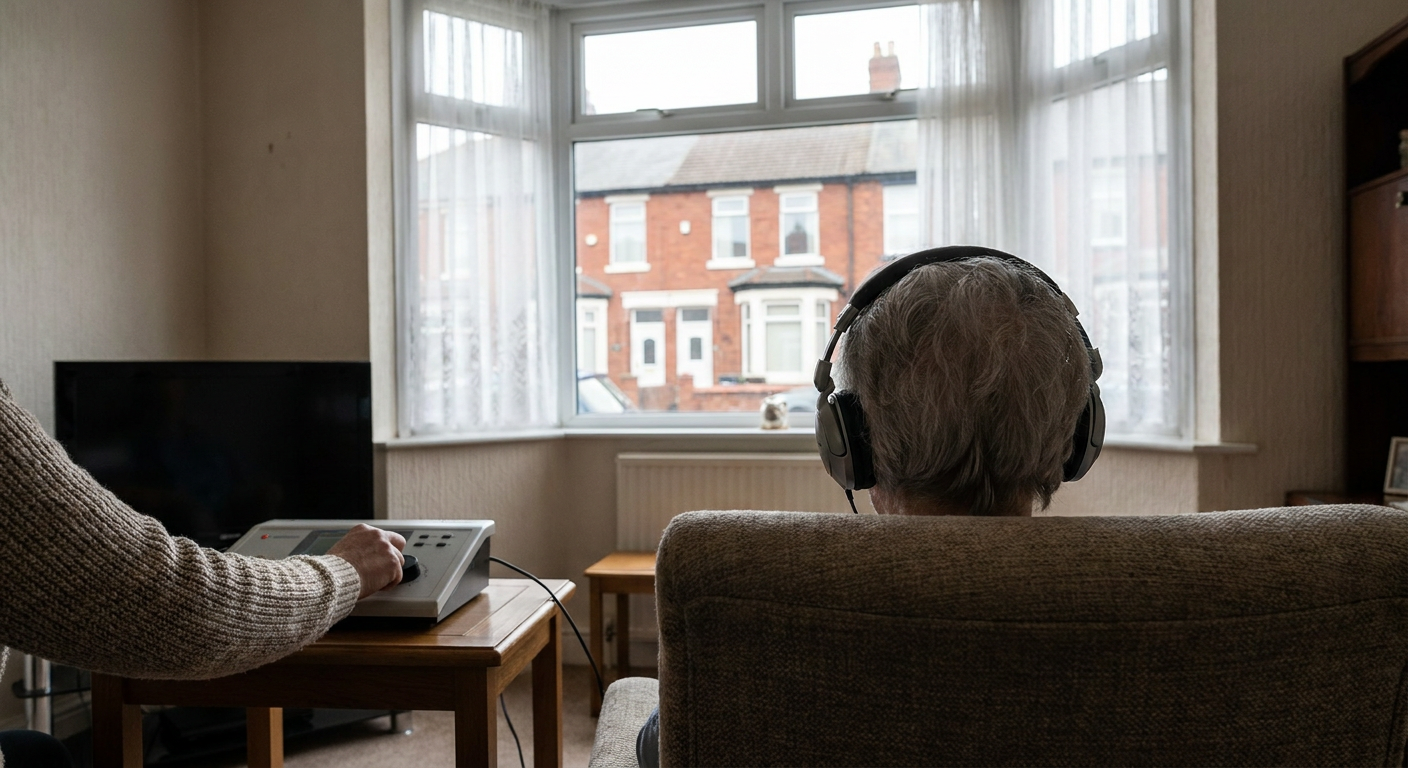
Audiologist Appointments
A specialist reviews your results, discusses which styles suit your daily routine, and explains what each option can and cannot do before any decision is made.
-
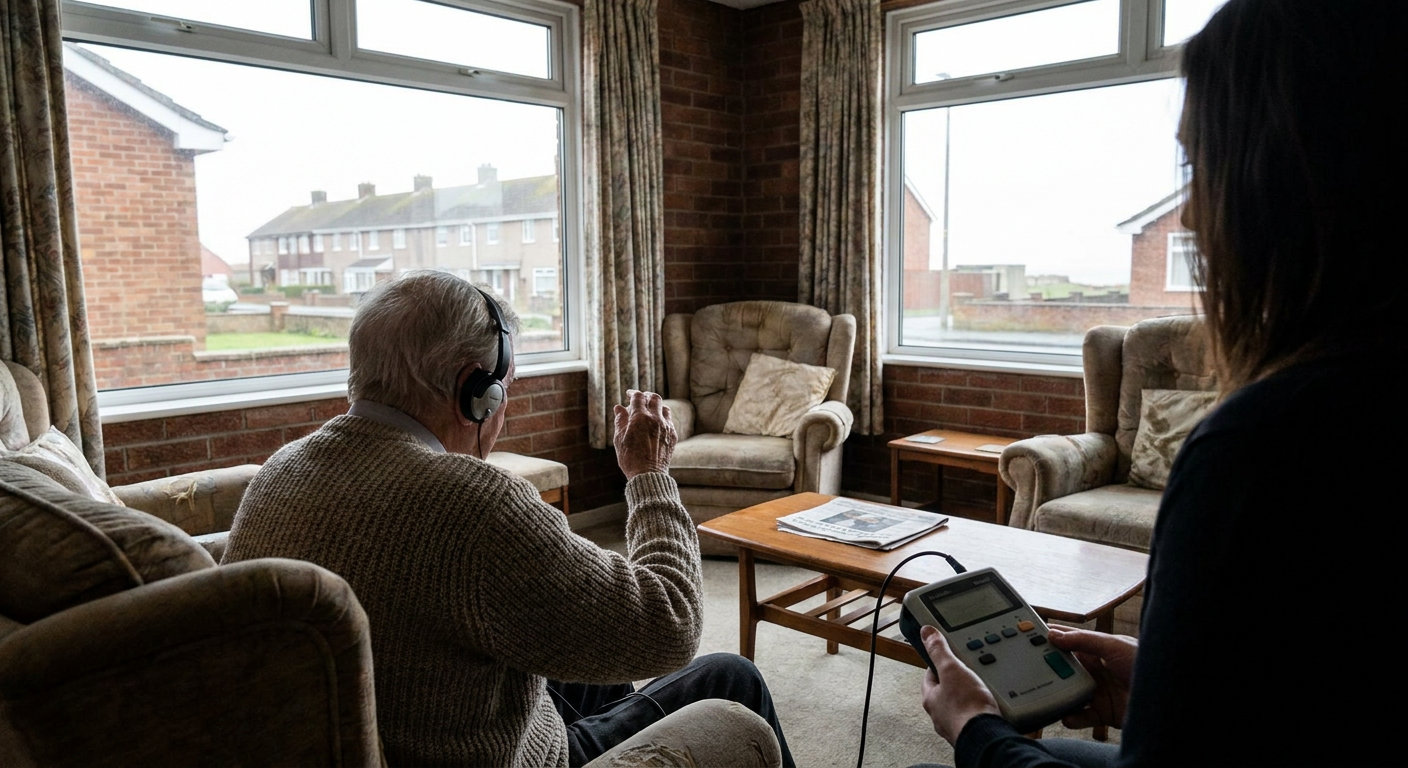
Home Visit Hearing Assessments
The audiologist brings portable testing equipment to your home, which helps if travel is difficult or if they need to hear the rooms where you spend most time.
-
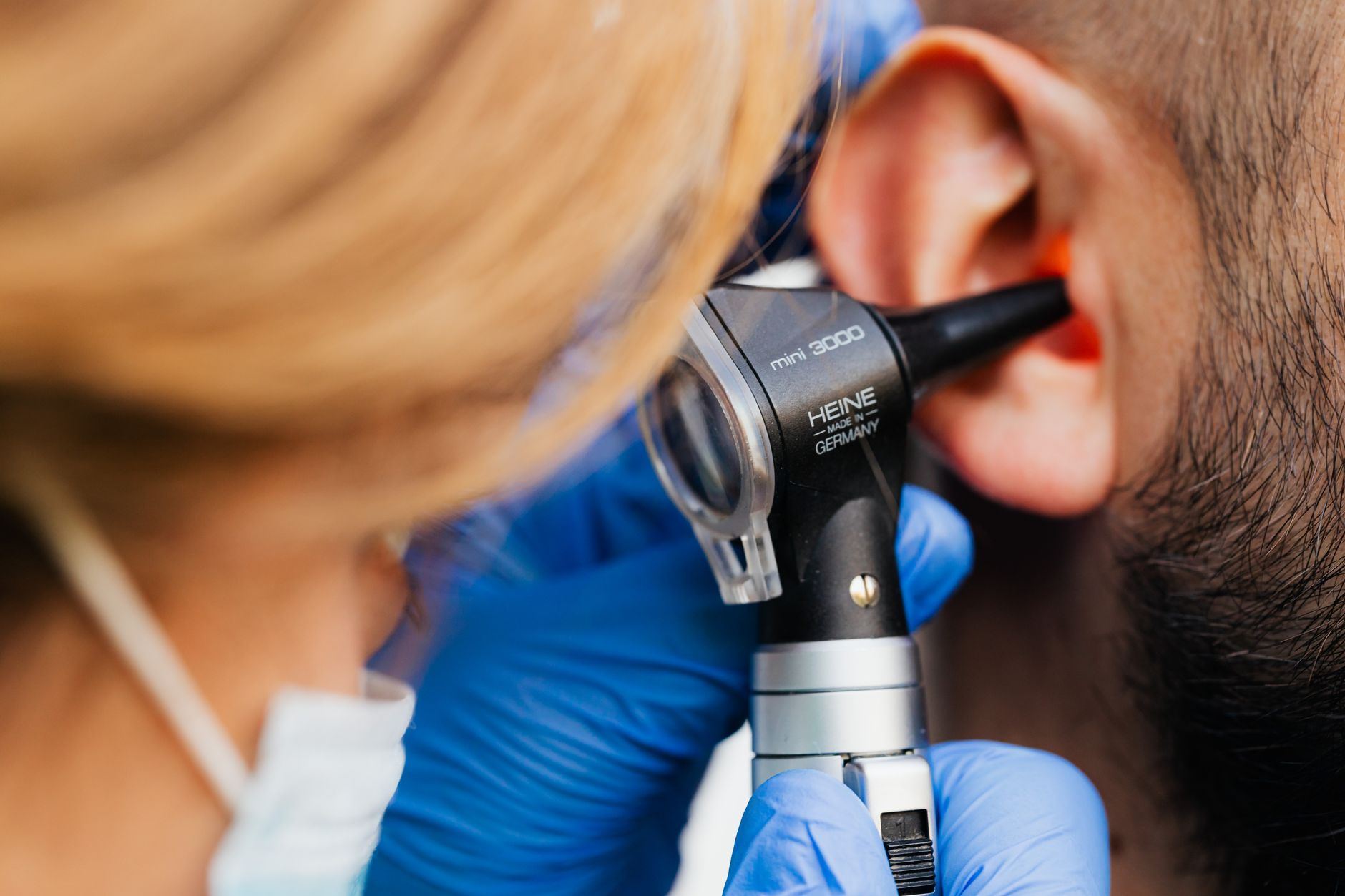
Hearing Aid Repairs
The technician cleans blocked receivers, replaces worn tubing, reprograms settings that have drifted, or arranges a replacement if the device is beyond repair.
-
Tinnitus Assessment
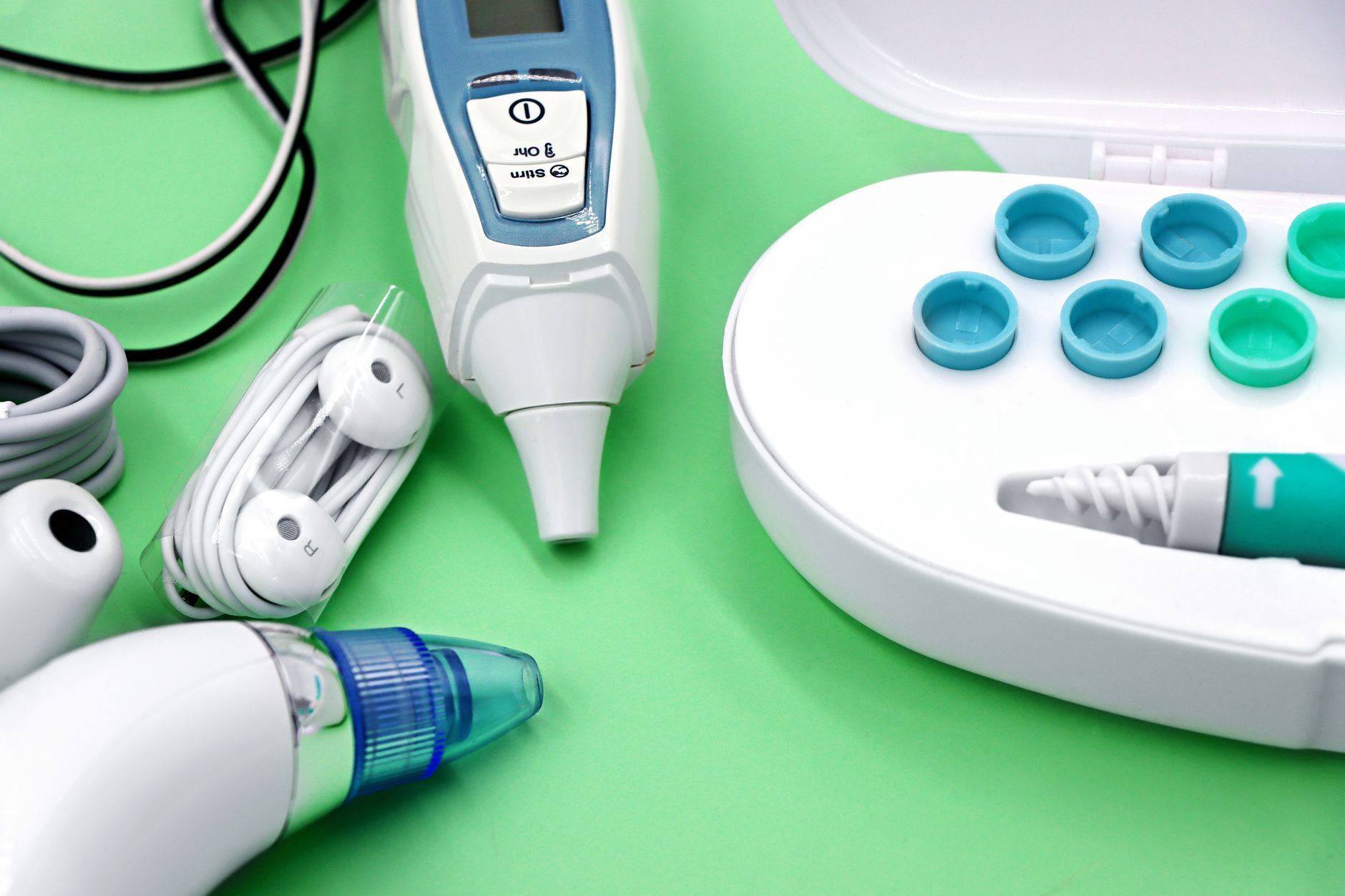
The audiologist checks whether ringing or buzzing is linked to hearing loss and outlines management options such as sound therapy or specific aid settings.
Why hearing changes feel different for everyone
Two people can struggle in the same room for entirely different reasons. The pattern of what you miss tells the audiologist which frequencies need support and which style of aid will work best.
- I hear talking but cannot make out the words
- This usually points to a drop in higher pitches where consonants live. An audiogram separates this from background noise problems and shows the audiologist which frequencies to amplify.
- Everything sounds muffled, even alone at home
- Low-frequency loss or a physical blockage like wax can cause this. Otoscopy and tone testing tell the audiologist whether the problem sits in the ear canal or deeper.
- Loud places are painful rather than just noisy
- Reduced tolerance to volume often accompanies certain types of hearing loss. Loudness scaling during a test maps the exact point where sound becomes uncomfortable so the aid can be limited.
- I only notice it when I am tired
- Fatigue forces the brain to stop compensating for mild gaps. A test done when you are alert still picks up these small losses because it measures the ear directly, not effort.
Typical costs for hearing aids and fitting
Prices vary because the technology inside the aid, the number of channels it processes, and the amount of follow-up tuning included all differ between models. A basic device handles quiet rooms; a more advanced one separates speech from heavy background noise automatically.
-
Single basic hearing aid with fitting
£600–£1,000
Fewer processing channels and a standard dome fit keep this at the lower end of the range.
-
Pair of mid-range hearing aids
£1,500–£2,500
Directional microphones, Bluetooth streaming, and additional follow-up visits move the cost upward.
-
Premium pair with full aftercare
£3,000–£5,000
Automatic environment switching, custom moulds, and several years of servicing are included at this level.
-
Replacement ear moulds or domes
£30–£80
Custom acrylic moulds cost more than standard silicone domes bought off the shelf.
-
Out-of-warranty repair
£75–£250
Replacing a microphone or receiver is cheaper than repairing water damage to the main circuit board.
These figures indicate what work of this type typically costs across the region. Nothing here is a quotation. Only a face-to-face assessment settles a price for your specific hearing needs.
How the audiologist programmes your aids
Fitting follows a strict order because each step relies on the last. Skipping ahead risks amplifying the wrong sounds or making the aids physically uncomfortable to wear.
-
Reviewing the audiogram
The audiologist plots your hearing thresholds onto software that calculates the exact gain needed at each frequency, forming the starting prescription for the aids.
-
Real-ear measurement
A thin probe tube placed near the eardrum measures how much sound actually reaches it. This accounts for the unique size and shape of your ear canal.
-
Speech mapping
Recorded sentences play through the aids while the probe checks whether soft, medium, and loud speech land on the correct targets for clarity without distortion.
-
Comfort limit testing
The audiologist plays increasingly loud tones to find the threshold where sound becomes unpleasant, then caps the maximum output of the aids below that point.
-
Physical fit check
The specialist inspects how the aid sits behind or inside the ear, looking for pressure points, feedback whistles, or gaps that let amplified sound escape.
If real-ear measurements conflict with the software targets, the audiologist adjusts manually until both align.
Questions about getting hearing aids
Will hearing aids restore my hearing to normal?
They do not reverse the underlying loss. What they do is amplify the specific pitches you struggle with so speech becomes clearer. The improvement depends on how long the loss has been present and how much damage exists in the inner ear.
How long does the fitting appointment take?
Expect around an hour for the initial fitting. The audiologist needs time to run real-ear measurements, adjust settings, and teach you how to change batteries or charge the devices. Follow-up visits are usually shorter, around thirty minutes.
Can I try them before I commit to buying?
Many specialists offer a trial period, typically lasting a few weeks. During this time you wear the aids in your normal routine. If they do not suit you, the terms of return depend entirely on the individual clinic's policy.
Why do I need follow-up appointments?
Your brain takes time to get used to hearing sounds it has missed for years. The audiologist reduces the gain initially and increases it over several visits so the adjustment feels gradual rather than overwhelming.
Do I need one hearing aid or two?
If your audiogram shows loss in both ears, two aids generally provide better balance and make it easier to locate where sound comes from. The audiologist recommends based on your specific results, not a fixed rule.
What happens if they whistle or squeak?
Feedback usually means sound is escaping the ear canal and re-entering the microphone. A tighter dome, a custom mould, or a software adjustment to the feedback canceller typically resolves it during a short visit.
Ask about hearing aids on the Fylde Coast
Send your details and a specialist firm will call to discuss your test results and the options available. There is no obligation to buy anything, and no payment is taken at this stage.
- No obligation to buy
- Local specialist firms
- No payment required now