Hearing aid support
Help when your hearing aid goes quiet, whistles or feels wrong
A hearing aid that stops working properly leaves you guessing whether the fault is a blocked tube, a dead battery or something deeper. An audiologist can find out. Leave your details and a specialist will call to arrange an appointment.
- No obligation to proceed
- Local clinics across the Fylde Coast
- Home visits available if needed

Describe the problem
Ways a specialist can help your hearing aid
Different faults need different fixes. A specialist will determine whether the aid needs cleaning, a new part, reprogramming or replacement entirely.
-

Audiologist Appointments
An audiologist examines the aid, tests your hearing again and decides whether a repair, adjustment or replacement makes sense.
-
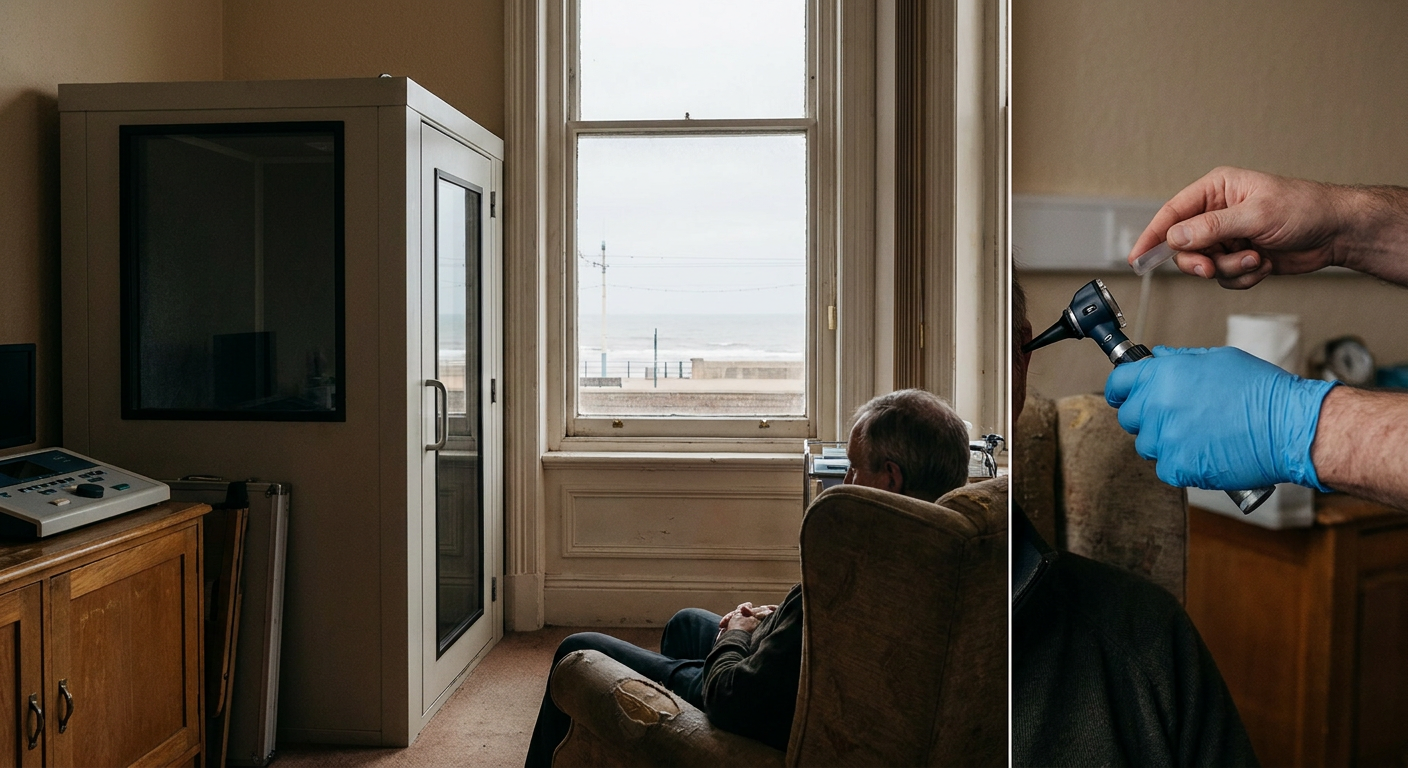
Hearing Aid Fitting
If the current aid cannot be saved, a specialist fits a new one and adjusts the settings until speech sounds natural.
-

Home Visit Assessments
A specialist travels to your home to examine the aid and check your hearing without requiring you to visit a clinic.
-

Tinnitus Assessment
If the failing aid was also masking tinnitus, a specialist assesses the ringing, checks whether a replacement would help, and suggests management options to keep the noise under control.
Why your hearing aid has stopped working properly
Hearing aids sit in a warm, damp environment where earwax builds up quickly. Tubing hardens over months, receivers fail without warning and batteries lose charge faster as components age. Any of these can make a perfectly good device sound distorted or fall silent entirely.
- 1
The sound cuts in and out
Intermittent audio often points to a loose wire, moisture inside the casing or a receiver that is beginning to fail.

- 2
A high-pitched whistle
Feedback usually means the mould no longer seals the ear canal properly, or wax is blocking the sound outlet.

- 3
Everything sounds muffled
A blocked filter, hardened tubing or earwax packed into the microphone port can all reduce clarity.
- 4
The aid feels physically loose
Ear canals change shape over time. A mould that once fitted snugly may now slip, letting sound escape.
What happens after you enquire
01
You describe the problem
Leave your contact details and a brief note about what the hearing aid is doing or failing to do.
02
A specialist calls you
An audiologist phones to ask a few questions and arrange a convenient time for an examination.
03
The aid is examined
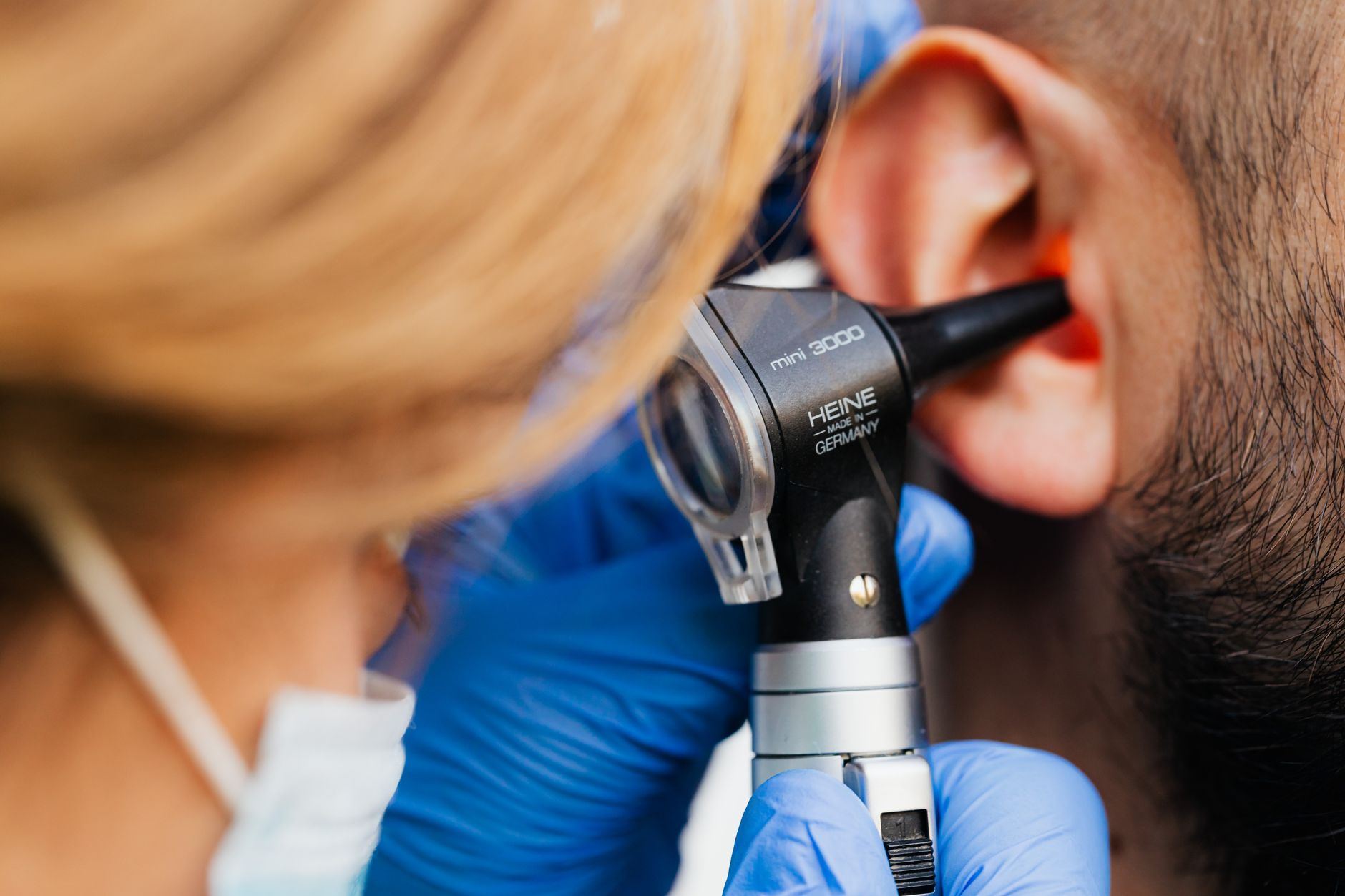
At the appointment, the specialist inspects the device, checks your ears and runs a quick hearing test.
04
You get a clear plan
The audiologist explains whether a repair, a new part or a replacement is the sensible option.
How a specialist examines a faulty hearing aid
Checking the simplest causes first avoids unnecessary expense. A specialist works through a set sequence before concluding the device itself has failed.
-
Visual inspection
The audiologist inspects the casing for cracks, checks battery contacts for corrosion and looks inside the microphone ports and sound outlet for wax that might be blocking sound from getting through.
-
Tubing and mould check
Hardened or split tubing changes how sound travels. The specialist removes it, inspects the bore and replaces it if necessary.
-
Receiver testing
Using diagnostic equipment, the audiologist measures the output from the receiver and compares it against the expected specification to determine whether the component is still performing correctly or needs replacing.
-
Real-ear measurement
A thin probe tube sits in the ear canal while the aid plays tones. This shows whether the amplification reaches the eardrum correctly.
-
Hearing threshold comparison
The specialist measures your current hearing levels and compares them against the existing programming in your aid to find out whether the prescription still matches what you hear or needs updating.
If the fault is intermittent, the specialist may ask you to keep a diary of when it occurs.
Questions about hearing aid repairs and servicing
Can my existing hearing aid be repaired or does it need replacing?
That depends on the fault and the age of the device. Blocked tubing, wax-clogged filters and failing receivers can usually be replaced. If the internal amplifier has failed or the model is several years old and no longer supported by the manufacturer, replacement is often the more reliable option. An audiologist will explain which applies after examining the aid.
How much does a hearing aid repair cost?
Prices vary depending on the part that needs replacing and the brand of the aid. Simple fixes like new tubing or a fresh wax filter cost very little. Receiver replacements or reprogramming carry a higher fee. The specialist will quote for any work before proceeding so there are no surprises.
Do I need a new hearing test if my aid stops working?
Usually yes. Your hearing may have changed since the aid was first programmed, and a device tuned to outdated thresholds will never sound right even after a physical repair. The audiologist will run a short test at the same appointment to check.
Can someone come to my house to look at the aid?
Yes. Home visits are available across Blackpool and the Fylde Coast. A specialist brings the same diagnostic tools used in the clinic, so they can inspect the device, check your ears and adjust settings without you needing to travel.
My hearing aid whistles loudly when I put it in. Why?
Whistling means sound is escaping from the ear canal and feeding back into the microphone. The most common reasons are a poor seal from a worn mould, wax buildup pushing the aid out of position, or a crack in the tubing. An audiologist can identify the exact cause during an examination.
Is it worth repairing a hearing aid that is five years old?
Five years is around the middle of a typical aid's lifespan. If the core electronics still function well, replacing a worn receiver or remoulding the earpiece can restore performance. But if multiple components are failing, investing in a newer model with better processing might make more financial sense. The specialist will lay out both options.
Tell us what is wrong with your hearing aid
Sending an enquiry costs nothing and does not commit you to a repair or a purchase. You are simply asking a local audiologist to take a look and explain your options.
What happens next
- An audiologist reviews your description of the fault
- They call to arrange an inspection at a clinic or your home
- You receive a clear explanation of what needs doing and what it costs