Ear symptoms
A dull, stuffed-up ear: wax, fluid or hearing loss?
A blocked feeling in one ear has several common causes. Find out what an audiologist looks for with an otoscope, how wax differs from fluid, and when a GP appointment is the right first step.
Why your ear feels blocked
A dull, heavy sensation inside the ear is uncomfortable and distracting. It makes speech sound distant, and you might find yourself tilting your head to hear better. The feeling usually comes from something physically interfering with the way sound travels through the ear canal or across the eardrum.
Three things cause this more often than anything else. Hardened wax can pack against the eardrum. Fluid can collect behind it after a cold. Or a gradual change in hearing can make the ear feel stopped up even when the canal is clear. Each one feels similar from the outside, but the route to sorting it out is different.
Guessing at the cause rarely works. Pressing a cotton bud into the canal pushes wax deeper and risks scratching the skin, which invites infection. Leaving fluid alone sometimes works, but not always. The only reliable way to know what is happening is for someone trained to look inside.
What an audiologist sees with an otoscope
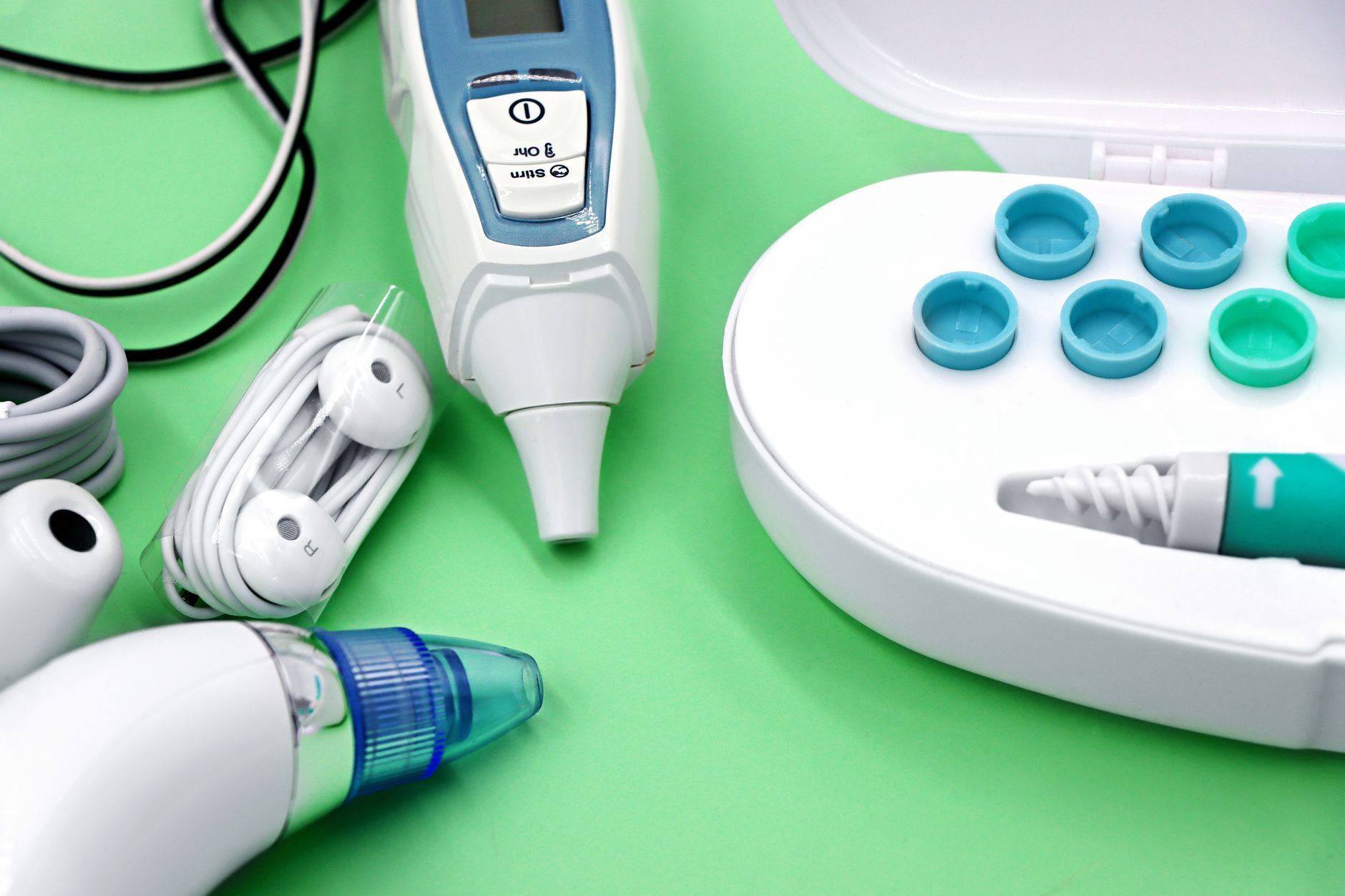
An otoscope is a small handheld light with a magnifying lens. An audiologist uses it at the start of an appointment to examine the ear canal and the surface of the eardrum before any hearing test begins.
If wax is the problem, the audiologist will see it. Soft wax is yellowish and pliable. Older wax darkens and hardens, sometimes forming a plug that rests directly against the eardrum. A complete blockage is obvious. A partial one leaves a narrow gap that still distorts sound.
Fluid behind the eardrum changes its appearance too. A healthy eardrum is translucent and pearly grey, moving slightly when air is puffed against it. When fluid fills the space behind it, the drum looks dull, amber or cloudy, and it barely moves. The audiologist notes these signs and records them before deciding whether a hearing test will give accurate results on that day.
Sometimes the canal and eardrum look entirely normal. That points away from wax and fluid, and towards a change in hearing sensitivity itself.
When to see a GP instead
Not every blocked ear belongs in a hearing clinic. Some signs need a doctor first. Pain is one of them. Earache suggests inflammation or infection rather than simple wax buildup, and an audiologist will refer you back to your GP before proceeding.
Discharge is another. Any fluid leaking from the ear canal, whether clear, yellow or bloodstained, needs medical assessment. Sudden hearing loss counts as urgent too. If your hearing dropped noticeably over hours or a couple of days, contact your GP the same day rather than booking a routine appointment.
Dizziness that accompanies the blocked feeling also falls under medical care. An audiologist assesses hearing and balance in specific ways, but acute vertigo requires a doctor to rule out conditions that affect the inner ear or the nerves around it.
If none of those apply, and the ear simply feels full and muffled, a standard appointment with an audiologist is the right place to start. The audiologist examines the canal with an otoscope to see what is causing the blockage, tests your hearing if it is safe to do so, and advises on the next step.
How the common causes differ
Wax buildup is mechanical. The ear produces wax to trap dust and protect the skin of the canal. Usually it dries and falls out on its own. Sometimes it accumulates, especially if the canal is narrow or if hearing aids sit inside it for long stretches each day. Once removed, hearing returns immediately.
Fluid behind the eardrum follows a different pattern. It usually arrives after a cold, a sinus infection or allergies. The Eustachian tube, which drains the middle ear into the throat, swells shut. Air gets trapped, pressure drops, and fluid seeps in to fill the space. It can take weeks to clear on its own. An audiologist monitors it but does not drain it.
Sensorineural hearing loss is the third possibility. Damage to the tiny hair cells inside the inner ear, or to the nerve carrying signals to the brain, does not create a physical blockage. But the brain interprets the missing frequencies as a muffled, stuffy sensation. This type does not resolve by clearing the canal. A hearing test measures exactly which frequencies have changed.
What the feeling in your ear might mean
The same blocked sensation can come from wax sitting in the canal, fluid trapped behind the eardrum, or a shift in hearing sensitivity. Only an examination separates them.
- Muffled hearing that came on slowly
- Hardened wax packed against the eardrum is a common cause of this feeling. An audiologist looks inside the ear with an otoscope to see whether clearing the canal would restore normal hearing.
- A full feeling after a bad cold
- Usually fluid trapped behind the eardrum while the drainage tube stays swollen. An audiologist checks the eardrum movement.
- One ear sounds quieter than the other
- Could be wax, fluid or a change in nerve function. A hearing test alongside visual inspection identifies which one.
- Hearing dropped suddenly over a day
- Sudden hearing loss needs same-day GP attention. The window for treatment is short, so waiting for a routine appointment risks permanent damage. A doctor can start steroids if required.
- Crackling noises when swallowing
- This usually points to the Eustachian tube opening and closing unevenly because of residual fluid or congestion after a cold. An audiologist can check middle-ear pressure to confirm whether fluid is trapped.
Typical costs for ear examinations and tests
Prices vary because some appointments involve a quick visual check while others include a full diagnostic hearing test, tympanometry to measure eardrum movement, or follow-up reports. The complexity of what the audiologist finds determines where a visit sits within these ranges.
-
Otoscope examination only
£30 - £60
Whether it is a standalone check or part of a longer appointment.
-
Standard hearing test
£50 - £120
The number of frequencies tested and whether results are sent to a GP.
-
Tympanometry for middle ear fluid
£60 - £140
If combined with a hearing test or performed as a separate investigation.
-
Home visit assessment
£90 - £180
Travel distance across the Fylde Coast and equipment needed on the day.
-
Tinnitus evaluation
£100 - £200
Whether pitch matching and masking options are included in the session.
These figures indicate what work of this type typically costs locally. Nothing here is a quotation. Only an in-person assessment settles a figure for your situation.
Find out what is causing the blockage
Send your details and an audiologist on the Fylde Coast will review them. There is no obligation to book, and no fee for the enquiry itself.
- No obligation to proceed
- Local audiologists only
- Quick response